Your roof leaks work silently above you every day, protecting your Asheville home from rain, snow, wind, and sun. When it fails, and water starts finding its way inside, the damage can be swift and expensive. Having worked on hundreds of roofs throughout Western North Carolina, we’ve seen how most leak emergencies could have been prevented with a basic understanding and regular attention.
The good news is that roof leaks rarely appear without warning. They develop over time through predictable patterns, and knowing what causes them puts you in control of preventing them. Whether you live in a historic craftsman in Montford or a newer home in South Asheville, the causes of roof leaks remain remarkably consistent across our region.
Understanding Why Roofs Leak in Western NC
Roofs are complex systems where multiple components work together to keep water out. When any single element fails or weakens, water finds the path of least resistance into your home. Our mountain climate creates specific challenges that accelerate wear on certain roof leak components, while our seasonal weather patterns expose different vulnerabilities throughout the year.
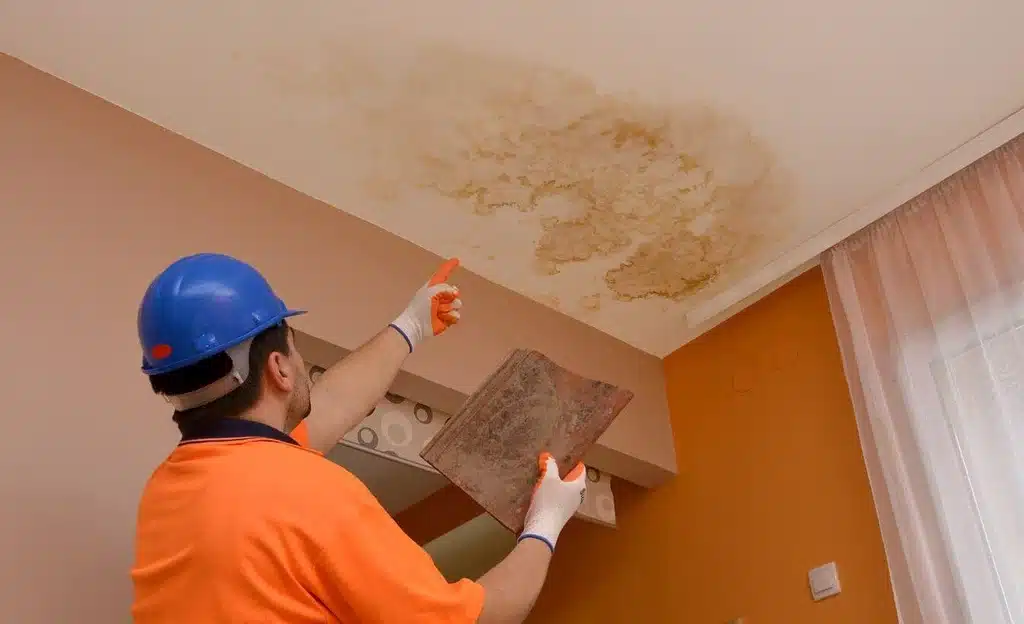
A roof leak isn’t always directly above where you notice water damage inside your home. Water can travel along rafters, down walls, and across ceilings before finally dripping into your living space. This makes identifying the actual source difficult for homeowners but critical for proper repairs.
Common Causes of Roof Leaks in Asheville Homes
Age and Natural Wear
Every roofing material has a lifespan, and as that timeline progresses, the material’s ability to repel water diminishes. Asphalt shingles, the most common roofing in our area, typically last 20-30 years, depending on quality and conditions. As shingles age, they lose protective granules, become brittle, and develop cracks that allow water penetration.
Walking through established Asheville neighborhoods like Kenilworth or Beaverdam, we regularly encounter roofs approaching or exceeding their expected lifespan. The challenge with age-related deterioration is that it happens gradually. Homeowners often don’t notice the slow decline until leaks begin appearing.
Metal roofing, increasingly popular in Western North Carolina, offers longer lifespans of 40-70 years but isn’t immune to age-related issues. Fasteners can loosen, sealants dry out, and panels can develop small holes from decades of expansion and contraction through our temperature swings.
The biological wear from our humid climate also accelerates aging. Moss, algae, and lichen growth common in shaded areas trap moisture against roofing materials, speeding deterioration. North-facing roof leaks sections, particularly in tree-covered areas around Town Mountain or North Asheville, face these challenges more intensely.
Storm Damage and Weather Events
Western North Carolina weather tests roofs regularly. Summer thunderstorms bring driving rain and occasional hail. Fall storms pack high winds. Winter delivers freezing temperatures and occasional heavy snow. Spring brings temperature swings and persistent rain. Each weather event stresses your roof system.
High winds are particularly destructive to shingles. When wind speeds exceed 50 mph during storms, shingles can lift, crease, or tear completely away. Even if shingles appear intact after a storm, the seal between layers may have broken, leaving them vulnerable to future wind and water intrusion.
Tree damage from storms poses multiple threats. Falling branches can puncture roofing, crack tiles, or dent metal panels. Even seemingly minor branch impacts can crack protective coatings or displace shingles. The heavy tree coverage throughout Asheville means many homes face an elevated risk during severe weather.
Poor Installation Practices
Quality installation forms the foundation of leak prevention, yet installation shortcuts create vulnerabilities that manifest as leaks years later. When we inspect roofs across Asheville, we regularly find installation issues that homeowners never knew existed until water starts entering their homes.
Valley installation errors cause particularly troublesome leaks. Valleys channel concentrated water flow where two roof planes meet. When metal flashing isn’t properly sized, shaped, or sealed, or when shingles aren’t correctly woven or cut in valley areas, water finds easy entry during heavy rains.
Inadequate starter strips along roof edges allow water to work underneath the first row of shingles during wind-driven rain. We’ve encountered numerous Asheville homes where the previous contractor skipped starter strips entirely, creating vulnerability around the entire roof leaks perimeter.
Flashing Failures Around Roof Penetrations

Flashing creates watertight seals where roofing material meets vertical surfaces or penetrations. These metal pieces redirect water away from vulnerable joints, and when they fail, leaks develop quickly. Flashing problems account for a significant percentage of the roof leaks repair calls we receive.
Chimney flashing deals with substantial water volume as rain flows down the chimney structure. The multi-part flashing system includes step flashing along the sides, counter flashing set into mortar joints, and cricket or saddle flashing above the chimney to divert water. When sealants deteriorate, flashing pulls away from masonry, or pieces separate, water pours directly into your home’s structure.
Plumbing vent boots seal around pipes penetrating your roof. The rubber collar surrounding each pipe becomes brittle and cracks after years of UV exposure and temperature extremes. These small cracks allow steady water intrusion during every rain event.
Wall flashing where the roof leaks meets vertical walls creates vulnerable joints. When siding contractors replace siding without properly addressing wall flashing, or when the original flashing installation was inadequate, these areas become consistent leak sources during driving rain.
Clogged Gutters and Drainage Issues
Your gutter system isn’t technically part of your roof, but it directly impacts roof health and leak prevention. Gutters channel thousands of gallons away from your roof edges and foundation. When they fail to function, water backs up under shingles and into your home.
Downspout blockages force water to back up through the gutter system. When downspouts clog with leaves, debris, or even bird nests, the entire gutter system becomes ineffective during moderate to heavy rain. Water overflows, potentially behind gutters and directly onto fascia boards and roof edges.
Ice accumulation during winter creates additional drainage challenges. When gutters fill with ice, meltwater from your roof leaks has nowhere to go except backward under shingles. This ice dam effect is less common in lower elevation Asheville areas, but regularly affects homes in the higher elevations around North Asheville and the surrounding mountains.
Ice Dams in Mountain Climate
While Asheville winters are milder than northern climates, our mountain location creates conditions for ice dam formation during cold snaps, particularly in homes at higher elevations. Ice dams develop when heat escaping through your roof melts snow unevenly, and the resulting water refreezes at colder roof edges.
The process begins with inadequate attic insulation or ventilation allowing warm air to reach the roof decking. This warmth melts snow on upper roof leaks sections. Water flows downward until reaching the colder eaves, where it refreezes. Over repeated freeze-thaw cycles, ice builds up, creating a dam that forces subsequent meltwater backward under shingles.
North-facing roof slopes stay colder longer, increasing ice retention and dam formation risk. Many Asheville homes built into hillsides have dramatically different ice dam vulnerability depending on roof orientation and sun exposure.
Attic bypasses where warm air leaks into attic spaces accelerate ice dam formation. Recessed lights, bathroom exhaust fans venting into attics, and unsealed penetrations around chimneys or plumbing create heat sources that trigger the melting-refreezing cycle even during moderately cold weather.
Warning Signs That a Leak May Develop
Catching problems before leaks occur saves thousands in repair costs and prevents interior damage. During our professional roof inspections throughout Asheville, we document these warning signs that predict future leaks:
Curling or cupping shingles indicates the adhesive seal has failed and the shingle edges are lifting. Once this process begins, wind can get underneath, and water follows shortly after. These shingles may look fine from ground level, but are failing.
Missing granules create bare patches on shingles where the protective mineral coating has worn away. These areas appear darker than surrounding shingles and indicate the asphalt layer is now exposed to UV damage and water absorption. Significant granule loss usually appears after 15-20 years on average-quality shingles.
Rust spots on metal roofing or metal flashing indicatethat protective coatings have failed and have begun. Once metal starts rusting through, holes develop rapidly. Catching rust in early stages allows repair before complete failure.
Moss or algae growth traps moisture against roofing materials and indicates areas staying persistently damp. Beyond aesthetic concerns, biological growth accelerates material deterioration and often marks where drainage issues exist.
Water stains on ceilings or walls obviously indicate active leaks, but minor staining or musty odors in attics reveal developing problems before water reaches living spaces. Regular attic inspections during and after rain events help identify leaks in early stages.
Sagging roof leaks sections suggest structural problems often related to long-term water intrusion. By the time visible sagging appears, significant damage already exists, requiring more than simple leak repair.
Seasonal Roof Maintenance to Prevent Emergencies
Each season in Asheville brings specific maintenance needs that prevent leak development:
Spring Maintenance (March-May)
Spring brings heavy rainfall and rapidly growing vegetation. Schedule a professional inspection after winter to identify any damage from freeze-thaw cycles, ice accumulation, or winter storms. Clear winter debris from gutters and roof leaks surfaces, as organic material retains moisture and promotes biological growth.
Check flashing around all penetrations for winter damage. Sealants can crack during cold weather, and metal flashing expands and contracts, potentially creating gaps. Address small issues before spring thunderstorms test these vulnerable areas.
Trim overhanging branches that grew during the previous season. Branches scraping your roof during wind remove protective granules and create entry points for moisture. Keeping branches back also reduces leaf accumulation in gutters during the growing season.
Summer Maintenance (June-September)
Summer’s combination of intense sun, heat, and thunderstorms requires different attention. Inspect for storm damage after severe weather events, particularly checking for lifted or missing shingles, damaged flashing, and debris accumulation.
Monitor attic temperatures and ventilation effectiveness during hot weather. Excessive heat in your attic indicates ventilation problems that reduce shingle life and can lead to premature failure. Proper ventilation extends roof life significantly.
Clear gutters mid-summer as spring pollen, seed pods, and early leaf drop accumulate. Summer thunderstorms deliver intense rainfall that quickly overwhelms partially clogged gutters.
Fall Maintenance (October-November)
Fall requires the most intensive gutter maintenance as leaves accumulate rapidly. Plan for multiple gutter cleanings through fall, especially after leaf drop peaks. Even one heavy rain on clogged gutters can force water under shingles.
Conduct a thorough roof inspection before winter arrives. Identify and repair minor issues before cold weather makes repairs more difficult and expensive. Small problems addressed in fall prevent winter emergency calls.
Check attic insulation and air sealing before heating season begins. Proper insulation and ventilation prevent ice dam formation during winter and reduce energy costs year-round.
Winter Maintenance (December-February)
Winter maintenance focuses on monitoring and clearing when possible. After snow or ice events, check for ice dam formation along roof edges. Safe removal of snow from lower roof sections can prevent dam development, though this should only be attempted with proper equipment and safety precautions.
Monitor attic spaces during and after snow for signs of ice dam leaks. Catching these early allows mitigation before significant damage occurs.
Keep gutters clear of ice accumulation when safely accessible. Gutter heat cables can prevent ice buildup in problem areas, particularly for homes with persistent ice dam issues.
Professional Inspection Process
Professional roof inspections provide a comprehensive assessment beyond what homeowners can safely accomplish. When we inspect Asheville area homes, the process includes multiple components designed to identify current problems and predict future issues.
Exterior inspection examines every accessible roof surface using binoculars or drone technology for steep or high roofs. We document shingle condition, flashing integrity, valley construction, and any visible damage or wear patterns. Particular attention goes to problem-prone areas like valleys, penetrations, and roof-to-wall junctions.
Written reports outline findings in clear language, prioritizing issues by urgency. Emergency items requiring immediate attention get separated from maintenance items that can be scheduled during appropriate weather and budget cycles.
Professional inspections should occur at least every three years for newer roofs and annually for roofs over 15 years old. After significant storm events, immediate inspection identifies damage before small problems become major leaks.
DIY Roof Inspection Checklist
While professional inspections provide the most thorough assessment, homeowners can perform basic checks between professional visits. Safety is paramount during any roof-related work. Never access your roof during wet, icy, or windy conditions. For steep roofs or uncomfortable heights, use binoculars from ground level or schedule a professional inspection.
From inside your attic on a sunny day, look for light penetrating through the roof decking, which indicates holes or gaps. Check for water stains on decking, rafters, or insulation. Feel insulation for dampness in areas near roof penetrations. Look for proper ventilation with clear airflow from soffit vents to ridge vents.
During rain, listen for dripping sounds in the attic and check previously stained areas for active water intrusion. Note any musty odors indicating hidden moisture problems.
Document findings with photos and dates. This creates a timeline showing whether problems are new, worsening, or stable. Share this documentation with professional inspectors to help them focus on areas of concern.
When to Schedule Preventive Repairs
Timing repairs appropriately balances cost management with risk reduction. Some issues demand immediate attention, while others can wait for optimal weather and budget cycles.
Immediate repair priorities include any active leak, missing shingles exposing underlayment or decking, damaged flashing around chimneys or roof-to-wall junctions, large areas of missing granules on shingles, and sagging roof leaks sections indicating structural concerns.
Short-term priorities (address within 3-6 months) include cracked or curling shingles, rust spots on metal components, minor flashing gaps, clogged or damaged gutters, and significant moss or algae growth.
Medium-term planning (address within 12-18 months) covers aging but functional shingles approaching expected lifespan end, inadequate attic ventilation or insulation, minor granule loss across multiple shingles, and preventative flashing replacement around penetrations showing wear.
Cost Comparison: Prevention vs. Emergency Repair

Routine maintenance costs relatively little. Gutter cleaning runs $150-300 for typical Asheville homes. Minor shingle repairs addressing 5-10 damaged shingles cost $300-500. Flashing repairs around single penetrations typically range from $200 to $400. Annual professional inspection costs $200-400. These maintenance investments total $500-1,200 annually for comprehensive preventative care.
Interior damage from roof leaks adds substantial costs beyond roof repair. Ceiling repair and repainting costs $500-2,000 per affected area. Insulation replacement in attic spaces affected by water intrusion runs $1,000-3,000. Structural repairs for damaged rafters or decking from prolonged water exposure can exceed $5,000. Mold remediation if water intrusion persisted undetected costs $2,000-10,000, depending onthe extent.
Complete roof replacement necessitated by neglected maintenance represents the highest cost. In Asheville, full roof replacement on average-sized homes ranges from $8,000 to $15,000 for asphalt shingles, $15,000-30,000 for metal roofing systems, with costs varying by roof complexity, pitch, and accessibility.
For perspective, a homeowner who invests $10,000 in preventative maintenance over 10 years maintains a functional roof, while a homeowner who defers all maintenance often faces $15,000-20,000 in roof replacement plus $5,000-8,000 in interior repairs from leak damage.
Insurance Considerations for Roof Maintenance
Understanding how insurance companies view roof maintenance helps homeowners make informed decisions about repair timing and documentation practices.
Standard homeowner’s insurance covers sudden, accidental damage from storms, falling trees, or other covered perils. However, insurance explicitly excludes damage from lack of maintenance or normal wear and tear. This distinction becomes critical when filing claims.
Proactive replacement of aging roofs before insurance companies mandate it maintains full replacement cost coverage and avoids potential coverage gaps. For Asheville homeowners with 20+ year old roofs, investing in replacement before insurance changes occur protects the larger investment in the home itself.
Some preventative maintenance qualifies for insurance discounts. Impact-resistant shingles, properly maintained roofs, and upgraded wind resistance features can reduce premiums. Check with your insurance provider about available discounts for roof improvements and maintenance documentation.
Taking Control of Your Roof’s Future
Roof leaks develop through predictable patterns that homeowners can identify and prevent. Understanding common causes, recognizing warning signs, and maintaining seasonal inspection schedules transforms roof care from reactive emergency response to proactive management.
The mountain climate in Western North Carolina demands attention to roof health. Our storms test every roof system, our temperature swings stress materials, and our humidity promotes biological growth. These factors make preventative maintenance particularly valuable for Asheville area homes.
We’re always available to discuss your specific roof situation, answer questions about maintenance needs, or schedule a professional inspection. Helping Asheville homeowners understand and care for their roofs is part of our commitment to this community we serve.