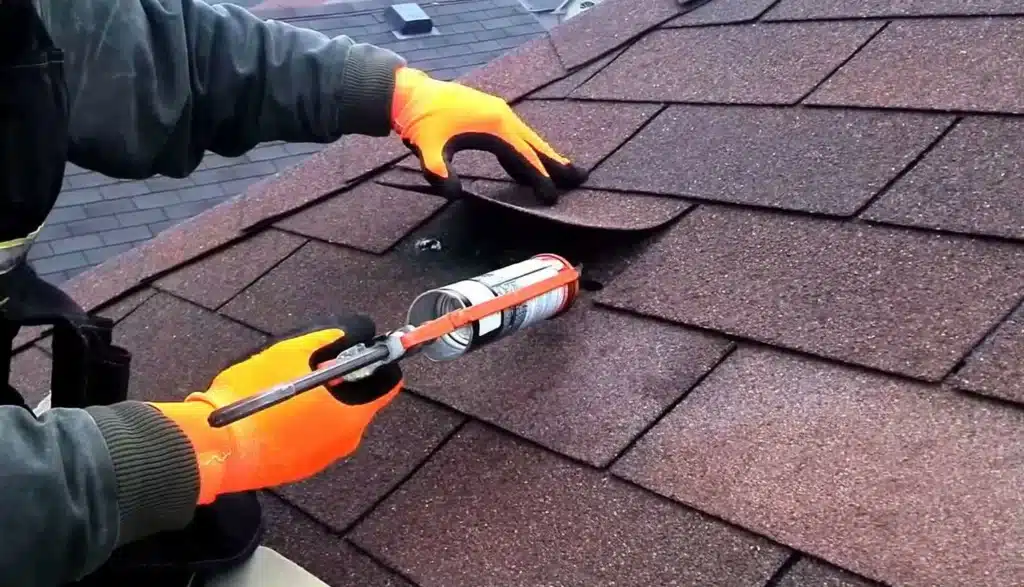
When water starts pouring through your ceiling during a thunderstorm, your first priority is to stop the damage. But the emergency response that works for asphalt shingles can actually worsen problems on metal roofing or tile systems. Having responded to hundreds of emergency leak calls across Asheville over the years, we’ve learned that effective emergency repair depends entirely on understanding your specific roofing material and its unique vulnerabilities.
Western North Carolina’s weather challenges every roof type differently. Summer thunderstorms test drainage capacity, winter ice stresses seals and fasteners, spring winds lift shingles and panels, and fall debris clogs critical pathways. Each roofing material responds to these stresses in distinct ways, requiring tailored emergency approaches that protect your home without creating new problems.
This comprehensive guide walks through emergency leak repair for every major roofing material found on Asheville homes, explaining what makes each vulnerable, how to respond safely when leaks occur, and what permanent solutions each material requires.
Understanding Emergency Leak Response by Material
Emergency leak repair situations demand immediate action to prevent interior damage, but hasty repairs using inappropriate techniques or materials can compromise your roof’s integrity and void manufacturer warranties. The key is matching emergency response to your specific roof type.
Different roofing materials feature distinct installation patterns, fastening systems, and waterproofing approaches. What works as a temporary seal on one material may trap moisture, damage finishes, or create new leak points on another. Professional roofing contractors familiar with multiple materials understand these critical differences and carry appropriate emergency repair supplies for each system.
The geographic diversity across Asheville also impacts emergency repair approaches. Homes at higher elevations around North Asheville face more severe weather and temperature extremes that affect repair material performance. Historic neighborhoods like Montford often feature older roofing materials requiring specialized knowledge. Newer developments may have modern materials with specific manufacturer requirements for even temporary repairs.
Emergency Leak Repair for Asphalt Shingle Roofs
Asphalt shingles cover the majority of Asheville homes, making shingle emergency repair the most common scenario local homeowners face. The layered construction of shingle systems provides some built-in redundancy, but once water penetrates the outer shingle layer and compromises the underlayment, interior damage follows quickly.
Common Emergency Leak Repair Causes in Shingle Roofs
Wind-damaged or missing shingles create the most frequent emergency situations. When storms with winds exceeding 50 mph roll through Western North Carolina, shingles can tear away completely, lift and crease, or break along tab lines. Each of these failures exposes an underlayment that provides only temporary water resistance before saturation occurs.
Valley damage occurs when debris accumulation or improper original installation allows water to work under shingle edges in these high-flow areas. During intense rain events common in summer thunderstorms, valleys channel enormous water volume, and any breach becomes immediately apparent through interior leaking.
Impact damage from falling tree branches creates punctures or crushes shingles, breaking through both the protective layer and the underlayment beneath. The heavy tree coverage throughout Asheville neighborhoods means branch impact represents a significant emergency repair cause, particularly during ice storms or high winds.
Immediate Emergency Response for Shingle Roofs
When an active leak repair occurs during weather that prevents immediate roof access, interior containment becomes the priority. Place buckets or containers to catch dripping water, move furniture and belongings away from affected areas, and use towels or tarps to protect the flooring. If water is actively flowing rather than dripping, you may be dealing with a major breach requiring professional emergency response rather than DIY temporary measures.
Once the weather permits safe roof access, locate the source from inside your attic if possible before venturing onto the roof. Water stains on roof decking or rafters may appear far from the actual leak repair point because water travels along structural members before dripping into living spaces. Trace the stains upward and toward the roof’s high side to approximate the breach location.
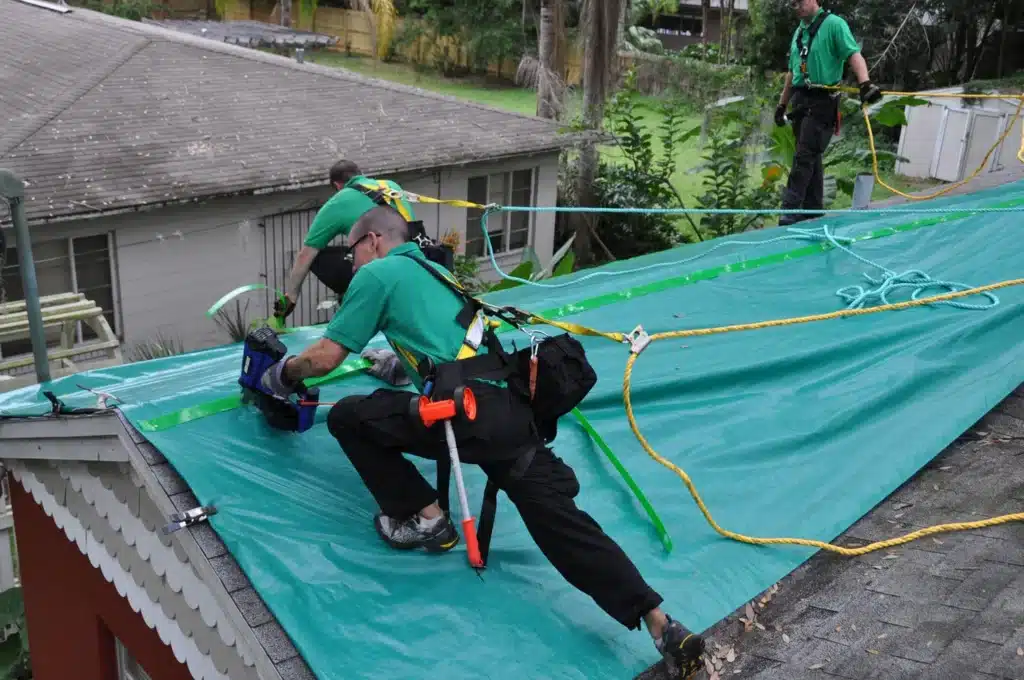
Emergency tarping becomes necessary when damage is too extensive for spot repairs. Heavy-duty tarps rated for outdoor use should extend from above the damaged area down to the roof edge, with enough material to wrap over the edge and secure. Weight the tarp with 2×4 boards rather than nailing through it, as nail holes compromise the emergency protection. Properly installed tarps can provide protection for days or weeks while permanent repairs are arranged.
Professional Permanent Repairs for Shingle Systems
Once emergency protection is in place, permanent repairs should be scheduled promptly. Shingle replacement requires matching existing shingle color, style, and age characteristics as closely as possible. Newer shingles on an aged roof create obvious patches, though protection takes priority over aesthetics in emergency situations.
Proper shingle replacement involves removing damaged shingles up to a natural breaking point, installing new underlayment if the original was compromised, and installing new shingles following manufacturer specifications for nail placement and sealing. Each shingle requires four to six nails placed in the adhesive strip area to ensure proper attachment and seal formation.
Flashing repairs or replacement accompany many emergency situations. Simply resealing old flashing rarely provides long-term solutions, particularly when the metal has corroded or pulled away from mounting surfaces. Complete flashing replacement following proper installation techniques prevents repeated emergency calls for the same location.
Emergency Leak Repair for Metal Roofing Systems
Metal roofing has gained popularity across Western North Carolina for its durability and longevity, but the specific characteristics of metal systems require different emergency approaches than shingle roofs. The good news is that properly installed metal roofing rarely experiences catastrophic failures, though when leaks do occur, they typically involve fasteners, seams, or transitional flashing.
Unique Vulnerabilities of Metal Roofs
Standing seam metal roofing, increasingly common on contemporary Asheville homes, features interlocking panels that run vertically from ridge to eaves. The raised seams clip together and allow thermal expansion without creating leak points. However, the fasteners holding clips to roof decking can loosen over time, particularly through years of expansion-contraction cycles. Loose fasteners allow panels to shift during high winds, potentially opening seams or tearing mounting points.
Screw-down metal panels common on outbuildings and some older installations feature exposed fasteners with rubber washers sealing around each screw. These washers deteriorate from UV exposure and temperature cycling, becoming brittle and cracking. Once the seal fails, every fastener becomes a potential leak repair point during rain.
Transitional flashing where metal roofing meets different materials or roof penetrations represents the most vulnerable area for emergency leaks. The different expansion rates between metal panels and flashing materials can open gaps, and sealants break down faster at these junctions due to constant movement.
Hail damage on metal roofing creates dents that may not immediately require repair but can compromise protective coatings, leading to corrosion that eventually penetrates the metal. After significant hail events, metal roofs should be inspected even if no immediate leaking occurs.
Emergency Metal Roof Repair Techniques
Never apply tar or asphalt-based products to metal roofing. These materials don’t bond properly to metal surfaces, create unsightly permanent stains, and can void manufacturer warranties. Metal roofs require metal-compatible sealants and fasteners.
For leaking fasteners on screw-down panels, the emergency fix involves removing the old screw, applying butyl tape or metal roof sealant around the hole, and installing a new screw with a fresh rubber washer slightly offset from the original penetration. This approach reseals the leak repair point without relying on the failed original washer.
For loose or damaged flashing, butyl tape creates temporary seals at gaps while waiting for permanent repairs. Press the tape firmly into the joint, ensuring complete contact with both surfaces. Weather conditions during application matter significantly—butyl tape and sealants require dry surfaces and specific temperature ranges for proper adhesion.
Professional Metal Roof Repairs
Permanent metal roof repairs require matching panel profiles, colors, and material types. Custom metal fabrication may be necessary for complex repairs, particularly on standing seam systems where panels interlock in specific patterns.
Fastener replacement across large areas becomes advisable when scattered leaks indicate widespread washer failure. Replacing all fasteners proactively prevents future emergency situations and costs less than multiple service calls for individual failures.
Recoating metal roofs that have lost protective finishes extends service life and prevents corrosion-related leaks from developing. Specialized metal roof coatings, different from the products used on shingle roofs, restore weather resistance while maintaining the metal system’s advantages.
Emergency Leak Repair for Tile and Slate Roofs
Clay and concrete tile roofs, along with natural slate installations, appear less frequently in Asheville than in some regions, but these premium materials do grace some historic and high-end homes throughout Western North Carolina. Their weight, fragility, and specialized installation requirements make emergency repair particularly challenging.
Tile and Slate Vulnerabilities
Individual tile or slate pieces crack from impact damage, thermal stress, or simply age-related deterioration. Once cracked, these rigid materials allow water to flow directly through to the underlayment. Unlike flexible shingles that can seal around minor damage, broken tiles and slate provide no water resistance.
Flashing around chimneys and valleys on tile or slate roofs must accommodate the irregular surface created by the thick roofing material profile. When this specialized flashing fails, repairs are complex and require specific knowledge of these systems.
Emergency Response for Tile and Slate
Walking on tile or slate roofs is extremely dangerous and should be avoided by homeowners. The materials are brittle and break under direct foot traffic, and the steep pitches common with these materials increase fall risk. Emergency response for tile and slate leaks requires professional involvement.
Tarping tile or slate roofs demands extreme care to avoid additional breakage from tarp weight and securing methods. Professionals use specialized techniques to distribute weight across multiple tiles or slats and avoid direct fastener penetrations through the brittle materials.
Professional Tile and Slate Repairs
Tile and slate replacement requires matching materials that may no longer be manufactured, particularly for historic installations. Roofing professionals working with these materials maintain inventories of salvaged pieces for matching repairs, but exact matches aren’t always possible.
Slate hook installation allows replacing individual pieces without disturbing surrounding materials. The specialized hook fastens to the roof decking and holds the replacement slate in place, avoiding the need to lift and reflash entire sections.
Underlayment replacement under tile or slate often requires removing and reinstalling large roof sections. This extensive work is typically warranted only when widespread underlayment failure occurs, often coinciding with overall roof replacement planning, given the labor intensity involved.
Emergency Leak Repair for Flat and Low-Slope Commercial Roofs
While most residential properties in Asheville feature pitched roofs, low-slope and flat roofing systems cover commercial buildings, additions, porches, and some contemporary residential designs. These systems use fundamentally different waterproofing approaches requiring specialized emergency response.
Flat Roof System Vulnerabilities
TPO and EPDM membrane systems used on many Asheville commercial buildings rely on large sheets seamed together to create continuous waterproof barriers. Seam failures from inadequate original welding or aging adhesives create direct leak repair paths. Punctures from foot traffic, debris, or falling objects breach the membrane immediately.
Ponding water on insufficiently sloped sections accelerates membrane deterioration. What begins as small low spots becomes increasingly pronounced as the trapped water weight causes additional settling, eventually leading to membrane breakdown and leaking.
Built-up roofing (BUR) systems on older commercial buildings develop alligator cracking patterns as the multiple asphalt layers age and become brittle. These cracks propagate through the system thickness, eventually penetrating to the roof decking.
Emergency Flat Roof Leak Response
Locate leak repair sources from inside the building, recognizing that water may travel horizontally under the membrane before dripping through to interior spaces. Look for wet insulation or staining on the decking that indicates the approximate breach location.
Surface water during rain events helps identify leak points from the roof surface. Active leaks often bubble or show water intrusion at seams, flashing edges, or visible damage points. Mark these locations for repair once the surface dries.
Mastic or cement products designed for flat roofing can temporarily seal flashing gaps and small cracks. Apply generously, ensuring complete coverage of the affected area and several inches beyond onto sound material.
Professional Flat Roof Repairs
Permanent flat roof repairs depend on the specific membrane system and the extent of damage. Small repairs might involve heat-welded TPO patches that create seams as strong as the original membrane. Larger damage may require cutting out affected sections and installing a new membrane with proper overlap and sealing.
Ponding areas require addressing the underlying drainage issue, either through additional roof drains, tapered insulation systems that create positive drainage, or in extreme cases, structural modifications to improve slope. Simply repairing the membrane without correcting drainage ensures repeated leak problems.
Emergency Leak Repair for Wood Shake and Shingle Roofs
Wood roofing, while less common than in previous decades, still covers some Asheville homes, particularly in areas where natural materials complement the mountain setting. Cedar shakes and shingles require unique emergency approaches due to their organic nature and installation patterns.
Wood Roofing Vulnerabilities
Individual wood pieces split, cup, or rot from prolonged moisture exposure. Unlike manufactured materials with consistent properties, wood’s natural variations mean individual pieces fail at different rates across the roof surface.
Moss and algae growth flourish on wood roofing in our humid climate, particularly in shaded areas. This biological activity retains moisture, accelerates wood deterioration, and creates leak-prone conditions.
The spacing between wood pieces required for expansion creates inherent vulnerability during wind-driven rain. While the overlapping installation pattern normally sheds water effectively, severe weather can drive water upward under pieces or through gaps.
Emergency Wood Roof Response
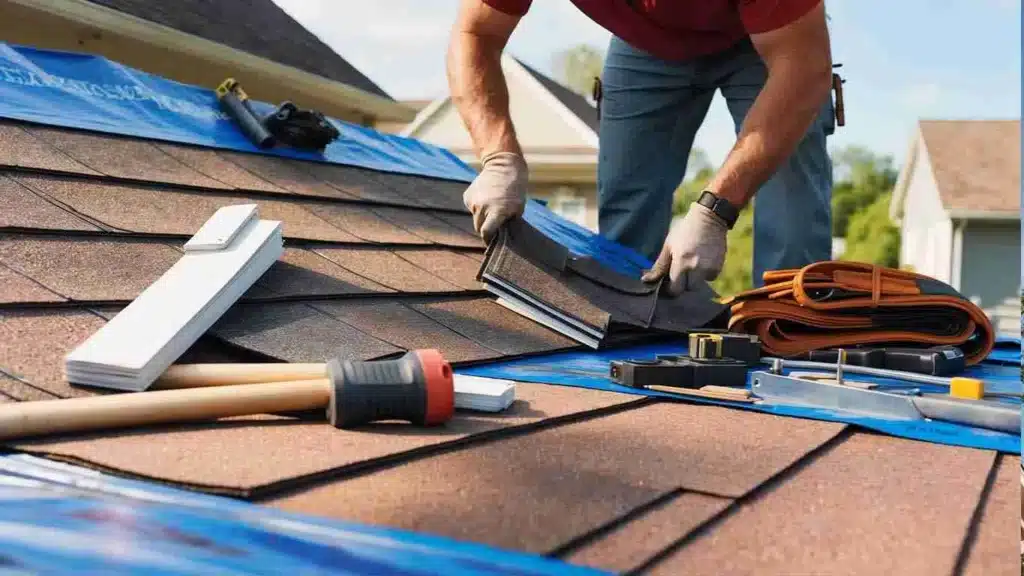
Replace or temporarily secure individual split or missing pieces. Slide replacement pieces under the course above and over adjacent pieces, matching the original installation pattern. Secure temporarily with small finish nails at angles that will be covered when permanent repairs install proper fasteners are installed.
For widespread damage, carefully installed tarps provide temporary protection, though the irregular surface of wood roofing makes achieving complete coverage challenging. Ensure the tarp extends well beyond damaged areas and secure it in ways that avoid creating new damage to wood pieces.
Immediate removal of debris and organic growth prevents accelerated deterioration during the period between emergency response and permanent repairs. Gentle brushing or low-pressure washing removes surface contamination without damaging wood fibers.
Professional Wood Roof Repairs
Matching replacement wood pieces to existing weathered materials creates aesthetic challenges. New cedar shakes appear much lighter than aged pieces, though weathering gradually reduces the contrast over 1-2 years.
Treating wood roofing with preservatives or fire retardants may be advisable during repairs, particularly if the original installation lacked these protective treatments. Local building codes in some Asheville areas may have requirements for wood roofing treatments.
Material-Specific Emergency Repair Supply Lists
Having appropriate emergency repair supplies on hand allows faster response when leaks occur. Each roofing material requires specific products:
For Asphalt Shingle Roofs: Roofing cement, putty knife, heavy-duty tarps (20×30 minimum), 2×4 boards for tarp securing, replacement shingles if available, roofing nails, caulk gun, and roof sealant tubes.
For Metal Roofs: Butyl tape, metal roof sealant (not asphalt-based), replacement screws with rubber washers, metal repair tape, and cleaning supplies for surface preparation.
For Flat Roofs: Membrane-specific repair tape (EPDM or TPO matching your system), roof mastic, putty knives, cleaning solvent for surface prep, and work gloves.
For All Roof Types: Flashlight or headlamp, safety equipment including non-slip shoes, buckets, and towels for interior leak repair containment, a camera or phone for damage documentation, and emergency contact numbers for professional roofing services.
When to Call for Professional Emergency Response
Some emergency situations exceed safe homeowner response capabilities and require immediate professional involvement. Call professional emergency roof repair services when you encounter large-scale damage affecting multiple roof sections, structural damage including sagging or compromised roof decking, situations requiring steep roof access in poor weather, active leaks that cannot be safely accessed, or damage involving electrical systems or risk of electrical hazards.
Professional emergency response teams carry specialized equipment, appropriate safety gear, and material-specific repair supplies, allowing effective temporary and permanent repairs. In severe storm situations affecting multiple properties, early contact with reputable roofing contractors ensures faster response times than waiting until damage worsens.
Insurance Considerations for Emergency Repairs
Document all damage thoroughly before making emergency repairs. Photograph damaged areas from multiple angles, note the date and circumstances of damage occurrence, and preserve any removed materials that show the extent.
Most insurance policies cover reasonable emergency measures to prevent additional damage. Keep receipts for all emergency repair materials and note the time spent on temporary repairs. This documentation supports insurance claims for both emergency response and permanent repairs.
Contact your insurance company promptly after emergency situations. Many policies require notification within specific timeframes. Understanding your coverage before emergencies occur prevents confusion when fast decisions are needed.
Preventing Future Emergency Leak Repair Situations
While weather events sometimes create unavoidable emergency situations, regular maintenance dramatically reduces emergency leak frequency. Schedule annual professional inspections that examine roof condition, identify developing problems, and address minor issues before they become emergencies.
Keep trees trimmed back from roof surfaces to reduce impact damage risk and minimize debris accumulation. Ensure gutters remain clear throughout the year to prevent water from backing up under roofing materials. Address small repairs promptly rather than deferring maintenance until problems worsen.
For homes with materials particularly vulnerable to specific damage types, consider preventative upgrades. Impact-resistant shingles reduce hail damage risk. Additional fasteners on metal roofing in high-wind exposure areas prevent panel movement. Improved drainage on flat roofs eliminates ponding that leads to membrane failure.
Material Selection for Future Roof Replacement
If emergency repairs on an aging roof are becoming frequent, replacement planning becomes more economical than continued emergency response. Consider material selection based on your home’s specific vulnerabilities and your maintenance preferences.
Metal roofing offers excellent storm resistance and minimal maintenance requirements, making it attractive for homeowners concerned about emergency situations. The higher initial cost is offset by decades of service life with few emergency repair calls.
Architectural shingles with high wind ratings and impact resistance provide enhanced storm protection compared to basic three-tab shingles. The moderate cost increase delivers measurable emergency situation reduction.
For flat roof replacements, newer membrane systems with improved seaming technologies and UV resistance reduce leak repair vulnerabilities compared to older built-up roofing systems.
Regional Considerations for Asheville Homeowners
Western North Carolina’s unique climate creates specific patterns in emergency leak situations. Summer thunderstorms with intense rainfall test drainage capacity and expose flashing vulnerabilities. Winter temperature swings and occasional snow loading stress fasteners and sealants. Spring wind events lift and damage surface materials. Fall debris accumulation creates backup conditions, leading to leaks.
Homes at different elevations around Asheville face varying weather severity. Higher elevation properties near the surrounding mountains experience more extreme conditions, requiring more robust roofing systems and creating higher emergency repair frequency without proper maintenance.
The heavy tree coverage throughout established neighborhoods increases impact damage. Homes in heavily wooded areas benefit from more aggressive preventative maintenance and potentially impact-resistant roofing materials.
Moving Forward with Material-Appropriate Care

Understanding your specific roofing material’s vulnerabilities, appropriate emergency response techniques, and professional repair requirements puts you in control when emergency situations develop. The minutes and hours following leak discovery determine whether damage remains limited or expands to costly structural and interior repairs.
Keep contact information for qualified roofing professionals readily accessible. In emergency situations, having pre-established relationships with reputable contractors ensures a faster response than searching for help during a crisis.
Document your roof’s age, material type, and maintenance history. This information helps professionals respond more effectively during emergencies and supports insurance claims when storm damage occurs.
Regular attention to material-specific maintenance needs prevents most emergency situations while extending your roof’s service life significantly. The small investment in annual inspections and timely minor repairs avoids the disruption and cost of emergency response.
We’re available 24/7 for emergency leak repair situations affecting Asheville area homes, with experience across all roofing material types and the specialized knowledge needed for effective material-specific repairs. Our goal is always to protect your home as quickly as possible while ensuring repairs don’t create new problems or void manufacturer warranties.