
Your roof isn’t just keeping rain out. Here in Asheville and across Western North Carolina, it’s defending your home against mountain weather that tests roofing materials in ways that homes down in the Piedmont never experience. When we talk with homeowners throughout neighborhoods from Montford to South Asheville, the same question comes up: which roofing material actually makes sense for our climate?
We’ve installed, repaired, and replaced every type of roofing material across Western North Carolina. We’ve seen what works and what fails. This guide breaks down how different materials perform specifically in our mountain environment, so you can make decisions based on real-world performance rather than marketing claims.
Understanding Asheville’s Unique Roofing Climate
Before we look at specific materials, you need to understand what your roof faces here. Asheville sits at about 2,200 feet in elevation in the Blue Ridge Mountains. That seemingly simple fact creates roofing challenges that differ significantly from coastal North Carolina or even Charlotte.
Temperature Fluctuations: The Hidden Destroyer
Our daily temperature swings are dramatic. Summer days might hit 85-90 degrees, then drop to the 60s overnight. Winter brings freeze-thaw cycles that are particularly destructive to roofing materials. When temperatures hover around freezing, materials expand and contract repeatedly. This constant movement creates stress points where failures develop.
For asphalt shingles, these cycles accelerate aging. The thermal expansion and contraction gradually loosen granules and compromise the seal between shingle layers. Metal roofing handles these swings better because it’s engineered to expand and contract without degrading. We see this difference clearly when inspecting roofs across Kenilworth and Beaverdam—homes with quality metal installations from 20 years ago still look solid, while 15-year-old asphalt roofs often need replacement.
Annual Rainfall Impact
Asheville averages over 45 inches of rainfall yearly, concentrated in spring and summer thunderstorms. But it’s not just the volume—it’s the intensity. Mountain thunderstorms can dump several inches in an hour, testing your roof’s water-shedding capacity and drainage systems.
The humidity between rain events also matters. Western North Carolina stays relatively humid, especially in valleys and lower elevations. This moisture exposure promotes algae and moss growth on organic materials, particularly on north-facing roof sections that don’t get direct sun. Some metal roofing options resist this biological growth better than traditional shingles.
UV Exposure at Mountain Elevations
UV breaks down the chemical bonds in roofing materials. For asphalt shingles, it degrades the asphalt itself and causes granule loss. Premium architectural shingles with ceramic-coated granules resist this better than basic three-tab shingles, but the degradation still happens faster here than it would in lower elevations.
Metal roofing materials with quality paint systems handle UV exposure exceptionally well. The painted coatings are specifically engineered to resist fading and chalking from UV. When properly installed, metal roofs in Asheville can maintain their color and integrity for decades despite intense mountain sun.
Asphalt Shingles: The Traditional Choice
Asphalt shingles remain the most common roofing material in Asheville, found on the majority of homes throughout Montford, Biltmore Village, and newer developments. Understanding their real-world performance in our climate helps you make informed decisions.
Three-Tab Shingles: Basic Protection
Three-tab asphalt shingles are the economy option. They’re thinner, lighter, and less expensive than architectural shingles. In Asheville’s climate, expect a realistic lifespan of 12-18 years, significantly less than the 20-25 year ratings often advertised.
For homes in protected locations with gentler roof slopes, three-tabs can work. But for most Asheville properties, they represent a false economy. The lower upfront cost gets offset by earlier replacement and higher maintenance needs. When homeowners ask about residential roofing options, we generally steer them toward more durable choices unless budget constraints are severe.
Architectural Shingles: The Mainstream Upgrade
Architectural (also called dimensional or laminated) shingles are the current standard for most Asheville roof replacements. These multi-layer shingles are thicker and heavier than three-tab shingles, with better wind resistance and longer lifespan expectations.
Brands matter with architectural shingles. GAF, CertainTeed, Owens Corning, and IKO all manufacture quality products, but their premium lines perform noticeably better than their economy lines. The difference isn’t just warranty length—it’s actual material composition, granule adhesion, and resistance to thermal cycling.
Impact Resistance for Hail-Prone Areas

Parts of Western North Carolina experience occasional hail events. While not as frequent as regions like Colorado or Texas, hail does occur here, particularly during spring and summer thunderstorms. Class 4 impact-resistant shingles protect against hail damage that standard shingles can’t match.
These hail-resistant options have specially reinforced construction that resists cracking and granule loss when struck by hailstones. Some insurance companies offer premium discounts for Class 4 roofs, which can offset part of the additional material cost over time.
Maintenance Requirements for Asphalt Roofs
Asphalt shingles in Asheville require more active maintenance than in less challenging climates. Annual inspections should check for:
- Granule loss in valleys and on edges
- Lifted or creased shingles from wind events
- Algae or moss growth on north-facing sections
- Seal failures between shingle layers
- Damage around penetrations and flashing
Keeping trees trimmed back helps prevent moss growth and reduces debris accumulation. Clearing gutters regularly prevents water backup that can work under shingles. These seasonal maintenance steps extend your roof’s functional life significantly.
Many homeowners skip these maintenance steps, then face avoidable damage that shortens roof life. The homes we see reaching 25+ years with asphalt shingles are consistently the ones with attentive owners who address small issues before they become major problems.
Metal Roofing: Premium Performance
Metal roofing materials have become increasingly popular across Western North Carolina, and for good reason. The performance advantages in our climate are substantial, though the higher upfront investment requires understanding the long-term value proposition.
Standing Seam Metal: The Premium Option
Standing seam metal roofing represents the high end of residential roofing. These systems feature continuous metal panels running from ridge to eave, with raised seams connecting adjacent panels. The fasteners are hidden beneath the panels, creating clean lines and eliminating the penetration points where leaks commonly develop on other roof types.
In Asheville’s climate, standing seam metal roofs regularly last 40-50+ years. We’ve inspected installations from the 1960s and 1970s that remain structurally sound. This longevity comes from several factors:
Corrugated Metal: Value and Durability
Corrugated metal roofing materials offer much of metal’s durability at a more accessible price point. These panels have visible fasteners rather than hidden clips, and the corrugated profile is simpler than the standing seam’s sophisticated appearance.
Lifespan expectations for quality corrugated metal in our climate range from 30 to 40 years. The exposed fasteners create potential leak points as gaskets age, requiring periodic inspection and occasional fastener replacement. This maintenance requirement is straightforward and far less intensive than the ongoing needs of asphalt shingles.
Metal Shingles and Tiles: Aesthetic Options
Metal roofing doesn’t have to look like metal. Manufacturers now produce metal shingles and tiles that mimic the appearance of slate, clay tile, or wood shake while delivering metal’s performance advantages.
These products work beautifully for historic homes where maintaining a traditional appearance matters, but you want superior durability. A metal roof installation using shake-style panels can preserve a home’s craftsman character while providing 40+ year performance.
Energy Efficiency Benefits
Metal roofing reflects solar radiation rather than absorbing it like dark asphalt shingles. This reflectivity reduces attic heat gain during summer, lowering cooling costs. We’ve measured attic temperature differences of 15-20 degrees between metal-roofed and shingle-roofed homes during summer.
Light-colored metal roofs maximize this benefit, but even darker metal colors perform better than dark shingles because the smooth surface re-radiates heat more effectively. This energy efficiency advantage is particularly valuable in Asheville, where summer cooling loads can be significant despite our mountain location.
Specialty Materials for Historic and Premium Homes
Beyond standard asphalt shingles and metal roofing materials, several specialty materials serve specific niches in the Asheville market. These options typically appear on historic properties or high-end homes where appearance and longevity justify the substantial investment.
Slate: Ultimate Durability
Natural slate roofing represents the longest-lasting residential roofing material available. Quality slate properly installed can last 75-100+ years, outliving the homes they protect. We maintain historic homes throughout Asheville with original slate roofs from the 1920s that remain functional.
Repairs and maintenance require specialists. Slate breaks easily if walked on incorrectly, and replacement tiles must match the original material. Finding contractors experienced with slate roof restoration takes effort in our market.
Synthetic Slate: Appearance Without the Weight
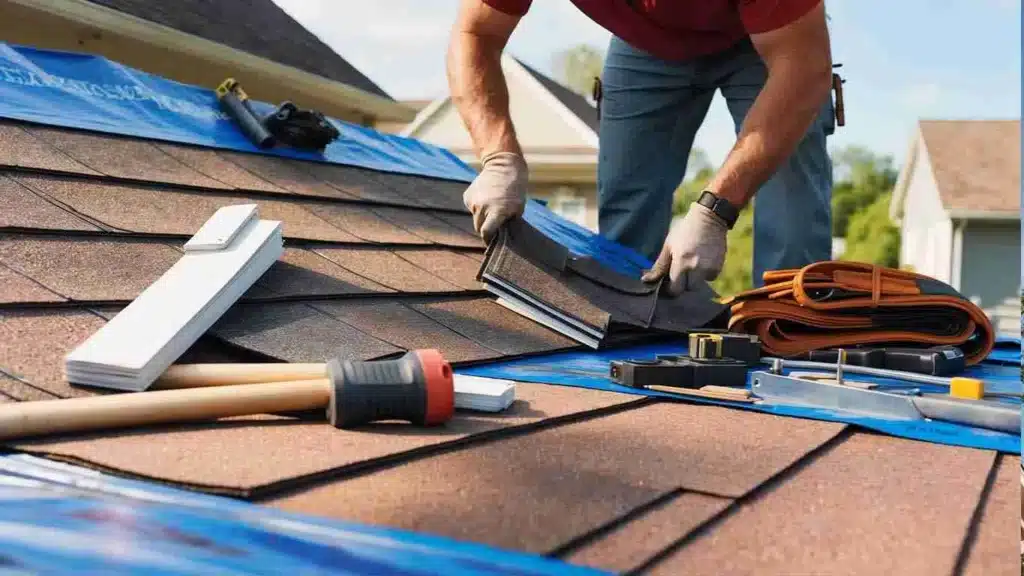
Synthetic slate products replicate natural slate’s appearance using advanced polymer or rubber composites. These materials weigh far less than natural slate while delivering 40-50 year lifespan expectations.
In Asheville’s climate, quality synthetic slate roofing performs well. The materials resist UV degradation, shed water effectively, and handle temperature swings without issue. They’re also much easier to install than natural slate, keeping labor costs reasonable.
Clay and Concrete Tile: Mediterranean Style
Clay and concrete tiles are less common in Asheville than in warmer climates, but they appear on some Mediterranean-style and Spanish revival homes. These materials deliver 50+ year lifespans with appropriate maintenance.
The challenge in our climate is freeze-thaw cycling. Clay and concrete are porous materials that absorb moisture. When that moisture freezes, it expands and can crack the tiles. Premium tiles with lower porosity resist this better than economy options.
Warranty Differences by Material
Understanding roofing warranties prevents disappointment when issues arise. Manufacturers and contractors offer different warranty types with varying real-world value.
Material Warranties
Manufacturer material warranties cover defects in the product itself. These warranties vary significantly:
Asphalt Shingles: Typically 25-50 year limited warranties, with coverage degrading over time. A “50-year warranty” often covers only material cost, not labor, after the first 10-15 years. Premium architectural shingles from top manufacturers offer better coverage terms than economy products.
Metal Roofing: Paint and finish warranties of 25-40 years are standard, with substrate warranties often lifetime. Quality metal roofing manufacturers stand behind their products more comprehensively than shingle makers.
Specialty Materials: Slate and tile typically have limited warranties due to their nature as natural materials, but quality products far exceed their warranty periods. Synthetic products carry 30-50-year limited warranties similar to metal roofing.
Read the warranty fine print carefully. Many warranties are prorated, meaning coverage decreases annually. Some require specific installation practices, periodic inspections, or limit coverage based on roof pitch or exposure. Failure to follow manufacturer requirements can void coverage entirely.
Workmanship Warranties
Our 10-year workmanship warranty covers installation quality independently of material warranties. This protects you if leaks or failures result from improper installation rather than material defects.
Workmanship warranties are where roofing contractors differ significantly. Some contractors offer only 1-2 year coverage, others provide 5-10 years, and a few offer longer terms. The warranty length often reflects the contractor’s confidence in their work quality and financial stability to honor future claims.
Ensure your contractor carries proper insurance and has been in business long enough to honor long-term warranties. A 10-year warranty from a contractor who’s been operating for two years carries a different risk than the same warranty from an established company.
Weather-Related Damage Coverage
Standard warranties typically exclude damage from severe weather events, acts of God, or lack of maintenance. This is where homeowner’s insurance becomes important.
Understanding what your homeowner’s policy covers for roof damage matters as much as understanding material and workmanship warranties. Review your coverage periodically and photograph your roof’s condition before storm season.
Maintenance Requirements Comparison
Roofing materials demand different maintenance levels to achieve their lifespan potential. Understanding these requirements helps you choose materials matching your commitment level.
Asphalt Shingles
Annual inspections should check for granule loss, lifted or damaged shingles, and seal failures. Address issues promptly—a single damaged shingle can lead to leaks affecting interior spaces.
Plan for periodic shingle replacement. Wind damage, falling branches, or simple aging will require replacing individual shingles or small sections before the entire roof needs replacement.
Metal Roofing
Annual inspections should check fasteners (if visible), look for scratches or paint damage, and ensure drainage systems function properly. Metal roofing requires far less hands-on maintenance than shingles.
Keep the roof surface clear of debris. Leaves and organic matter don’t damage metal like they do shingles, but they can trap moisture and cause staining or corrosion over decades.
Specialty Materials
Natural slate requires occasional individual tile replacement but otherwise needs minimal maintenance. The primary concern is preventing damage during other roof work or when trees drop branches.
Synthetic slate, tile, and cedar require periodic inspection for damage and cleaning to remove organic growth. Cedar specifically needs treatment applications every few years to resist moisture and UV damage.
Making Your Material Selection
Choosing the right roofing material for your Asheville home balances multiple factors: budget, architectural style, expected ownership duration, and personal priorities regarding maintenance and longevity.
Budget Considerations

If you can invest more initially, metal roofing delivers compelling value through a longer lifespan and reduced maintenance. The break-even point compared to asphalt shingles typically comes around 25-30 years, but the added peace of mind and reduced maintenance hassle provide value beyond pure economics.
For premium homes where budget is less constraining, material choice should emphasize longevity, aesthetic contribution to the property, and alignment with the home’s architectural character.
Architectural Compatibility
Historic homes often benefit from materials matching their period. Craftsman homes in Montford look appropriate with architectural shingles, metal shingles mimicking wood shake, or actual wood shake. Metal panels would seem out of place despite their performance benefits.
Modern or contemporary homes can carry standing seam metal beautifully, where the clean lines complement the architecture. Mediterranean or Spanish styles call for tile, even if it means accepting the material’s challenges in our climate.
Consider your neighborhood contex,t too. While you’re not required to match surrounding homes, dramatically different materials can affect resale value in established neighborhoods with consistent character.
Longevity and Ownership Plans
If you plan to sell within 5-10 years, focus on materials that provide a good return on investment through added home value. New architectural shingles or metal roofing both appeal to buyers and typically return reasonable portions of their cost.
For long-term ownership, prioritize materials with longer lifespans and lower lifetime costs. The extra investment in metal or premium shingles pays off over decades of ownership.
Climate-Specific Performance
For homes in exposed locations, at higher elevations, or with complex roof geometries, prioritize durability over cost savings. The harshest exposures demand materials engineered for extreme conditions—typically metal roofing or premium architectural shingles.
Protected valley locations with gentler roof slopes and good tree coverage can get away with less robust materials, though you still face Asheville’s temperature swings and rainfall.
Frequently Asked Questions
Which roofing material lasts longest in Asheville’s climate?
Natural slate lasts longest at 75-100+ years, but standing seam metal roofing delivers the best balance of longevity (40-50+ years), performance, and practical maintenance requirements for most homeowners.
Do specialty roofing materials like slate or tile work in mountain climates?
Natural slate performs exceptionally well in our climate and can last 100+ years. Clay and concrete tile face challenges from freeze-thaw cycling, but work when premium low-porosity products are selected. Cedar shake requires significant ongoing maintenance but can perform adequately with dedicated care.
What’s the minimum roof lifespan I should expect in Asheville?
With quality installation and reasonable maintenance, expect 20-25 years from architectural shingles, 30-40 years from metal roofing, and 40+ years from premium materials. Harsh exposures or neglected maintenance significantly reduce these expectations.
Can I install metal roofing over existing shingles?
This depends on roof condition and local building codes. Installing metal over a single layer of shingles is sometimes permitted and can reduce project costs, but we generally recommend removing old materials to ensure proper deck condition and ventilation. Each situation requires individual assessment.
Conclusion
Choosing roofing materials for your Asheville home means understanding how different products perform in our specific mountain climate. Temperature extremes, heavy rainfall, elevation factors, and wind exposure all affect material longevity and performance in ways that don’t apply to homes in easier climates.
Metal roofing delivers the best overall performance for most Western North Carolina homes, with longevity, weather resistance, and low maintenance requirements justifying the higher initial investment. Standing seam systems provide premium performance, while corrugated panels offer excellent value at moderate cost.
Quality architectural shingles remain the practical choice for homeowners with budget constraints or shorter ownership timelines. Impact-resistant versions add valuable protection with modest cost increases. Premium materials like slate or synthetic slate serve specific needs for historic properties or homes where ultimate longevity justifies substantial investment.
The wrong material choice costs money through premature failure, frequent repairs, and replacement far sooner than expected. The right choice protects your home through decades of mountain weather while delivering value through longevity, minimal maintenance, and enhanced property value.
Your roof represents a significant investment in your home’s protection and value. Taking time to understand how different materials perform specifically in Asheville’s climate helps ensure that the investment delivers the protection and longevity your home deserves.
Ready to discuss which roofing materials makes sense for your specific home and situation? We’re here to help you evaluate options based on your property’s exposure, your budget, and your long-term plans. Contact us to schedule a consultation and get specific recommendations for your Asheville home.